The Problem
Professional naming is a specialized discipline that involves linguistic analysis, cultural sensitivity review, trademark screening, and expert judgment — performed across potentially hundreds of candidate names before a client receives a final recommendation. The Club of Names provided this service across multiple simultaneous client engagements, with teams of specialist contributors evaluating, annotating, and ranking name candidates.
The operational reality was fragmentation. Projects ran across combinations of spreadsheets, email threads, and shared documents. Specialist contributors worked in isolation, unable to see and build on each other’s analysis. Project managers had no unified view of where each name candidate stood across the evaluation pipeline. Client presentations were assembled manually from distributed sources, creating bottlenecks at every delivery milestone.
Scaling the business meant either hiring project management overhead or fixing the infrastructure problem.
The Constraints
Large linguistic datasets required specialist search. Effective naming discovery doesn’t begin from a blank slate — it begins from a searchable corpus of existing names, etymological data, phonetic patterns, and cultural associations. The platform needed search that understood the multi-dimensional structure of naming data, not just keyword matching.
Contributor workflows had to map to how specialists actually work. Name evaluation is iterative: a contributor proposes a name, another annotates it with cultural context, a third screens it for trademark conflict, a fourth assesses fit against the brief. A platform that imposed a rigid linear workflow would not reflect the actual evaluation process, and specialists would revert to their existing tools.
Client-facing delivery had to be presentation-quality, not raw data exports. The final deliverable — a curated name shortlist with rationale — is the product the client purchases. The platform needed to generate professional client presentations from the evaluation data, not require a separate manual assembly step.
Our Approach
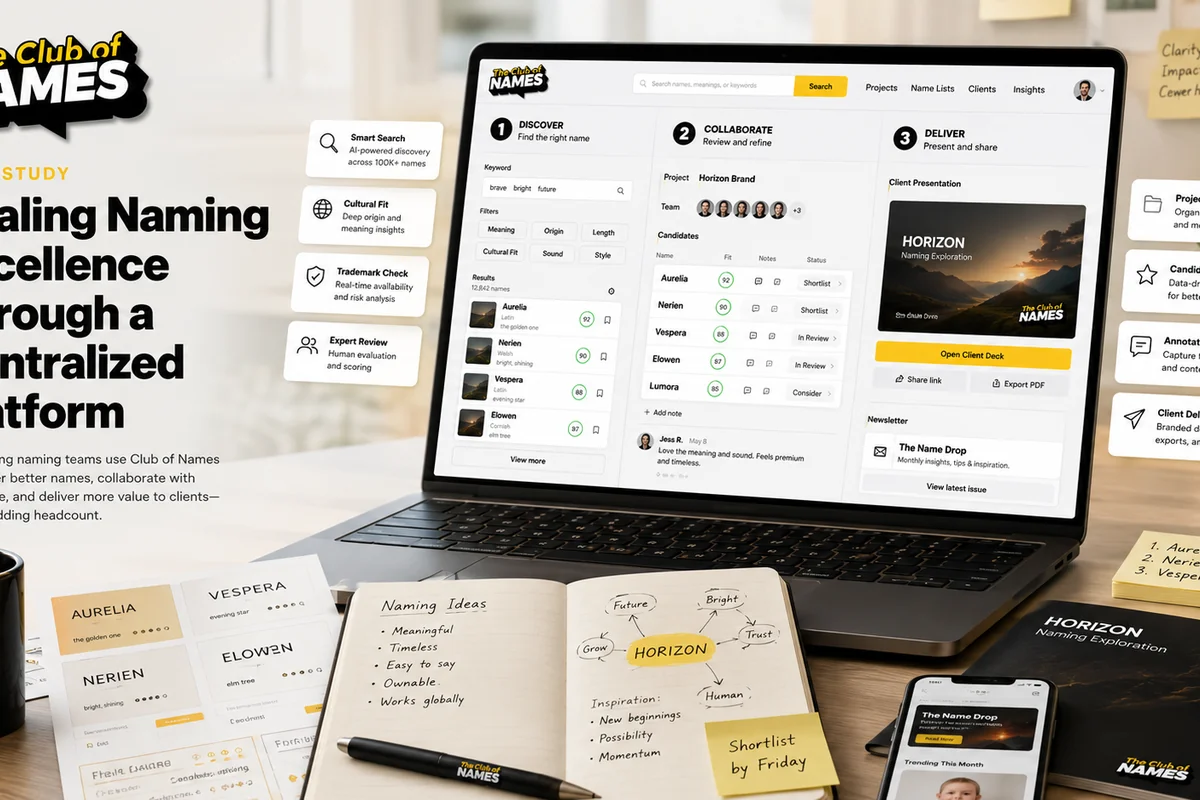
The platform is structured around three interconnected modules: the name database and discovery layer, the project and collaboration layer, and the client delivery layer.
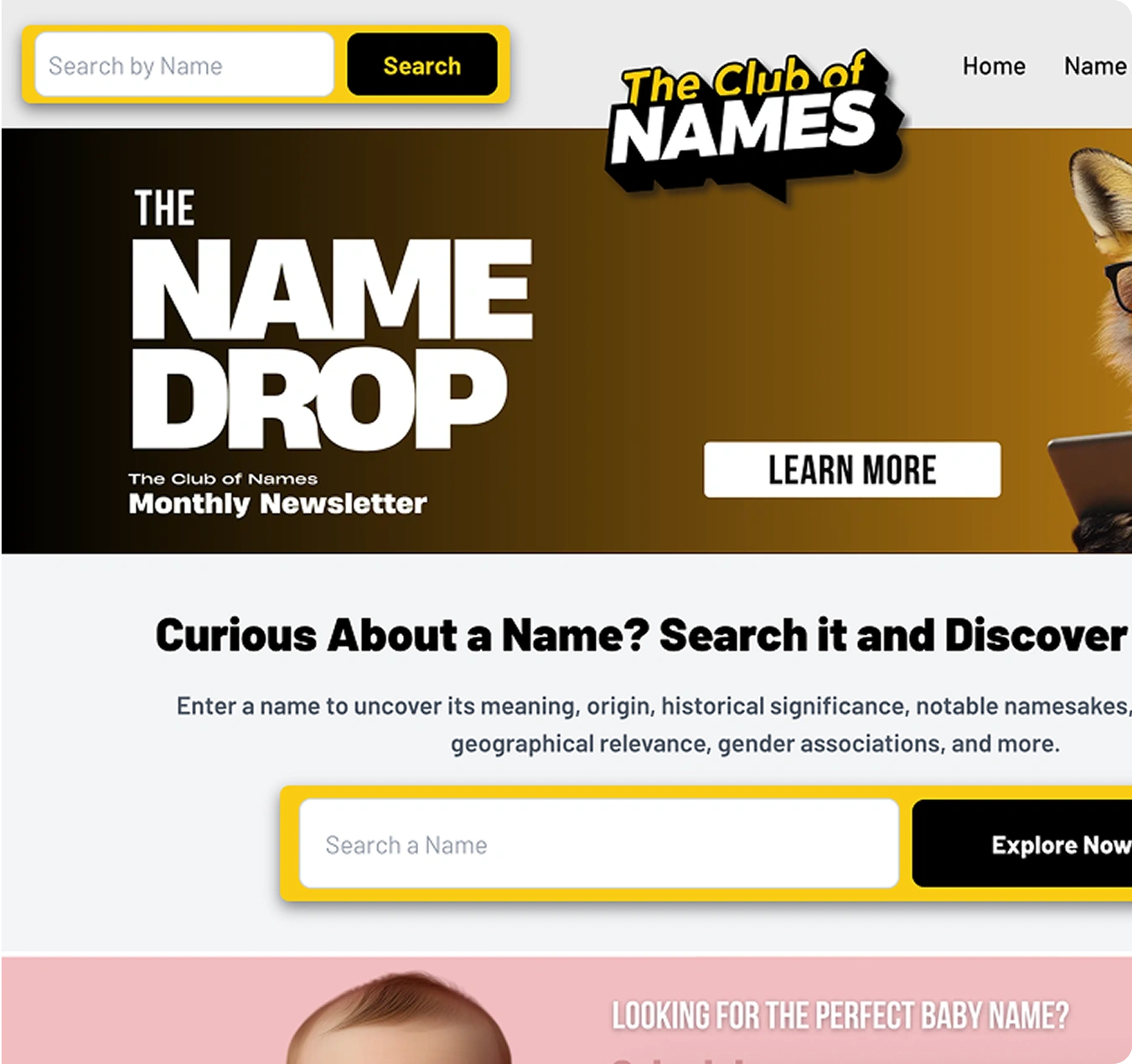
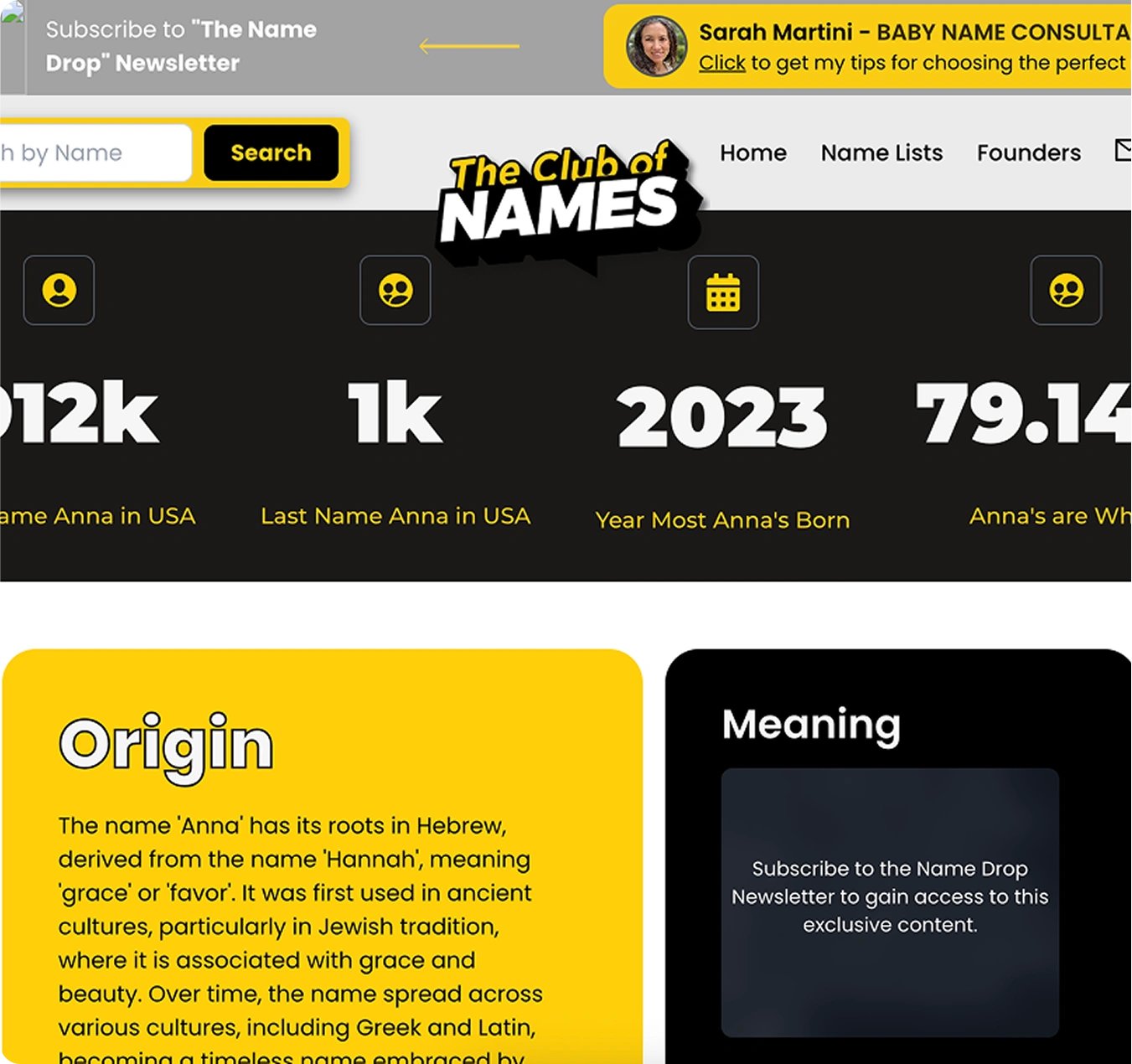
The name database stores names with rich associated metadata: etymology, language of origin, phonetic properties, cultural associations, and existing trademark status. Advanced keyword search and semantic filtering allow contributors to explore the corpus by multiple dimensions simultaneously — finding names that are phonetically similar to a target, culturally appropriate for a specific market, and available for registration.
The collaboration layer provides a structured review pipeline where each name candidate moves through defined evaluation stages. Contributors are assigned roles with specific evaluation responsibilities; annotations, ratings, and comments accumulate against each candidate as it progresses through the pipeline. Project managers have a real-time view of every active project’s candidate queue, bottlenecks, and completion status.
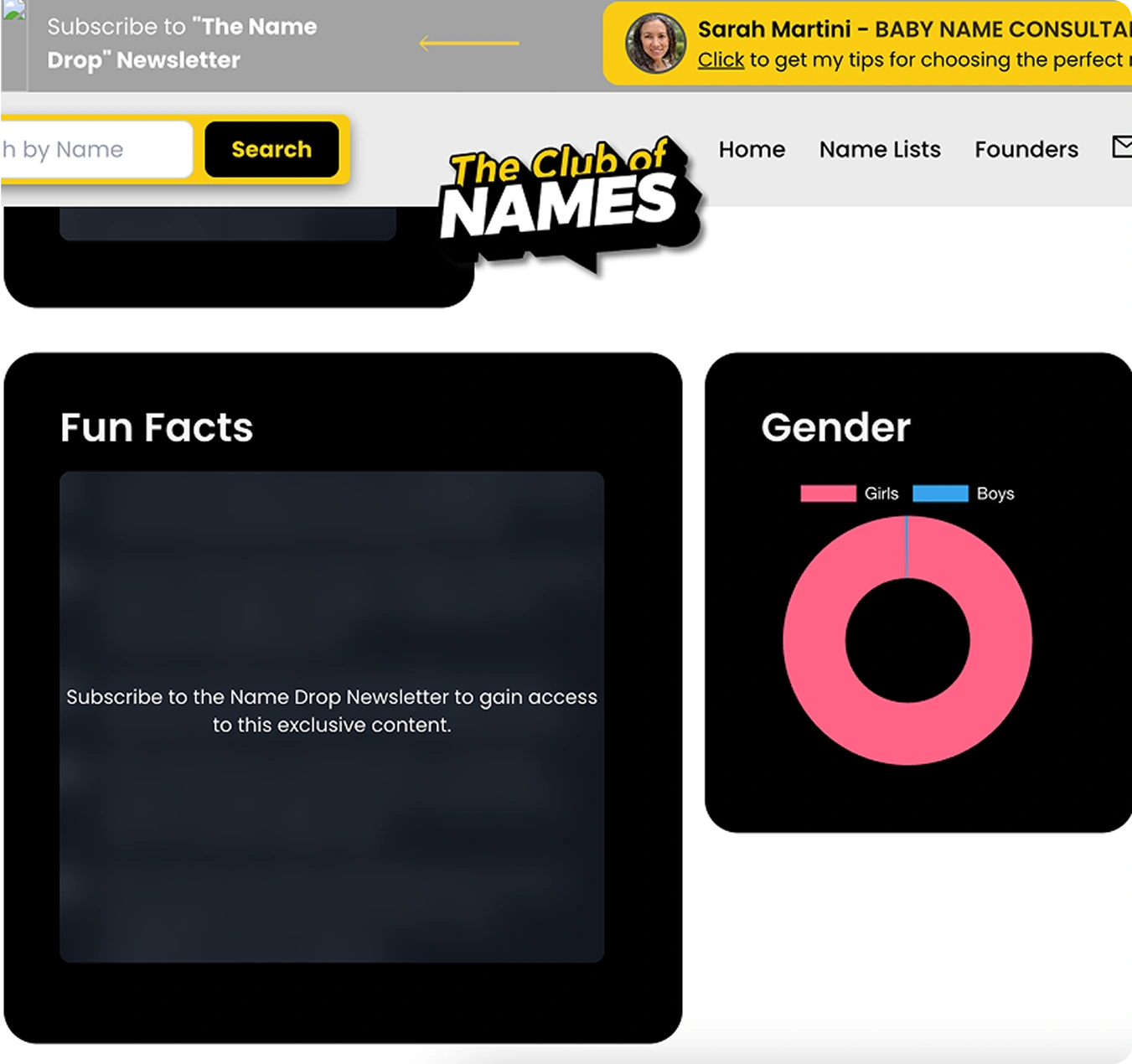
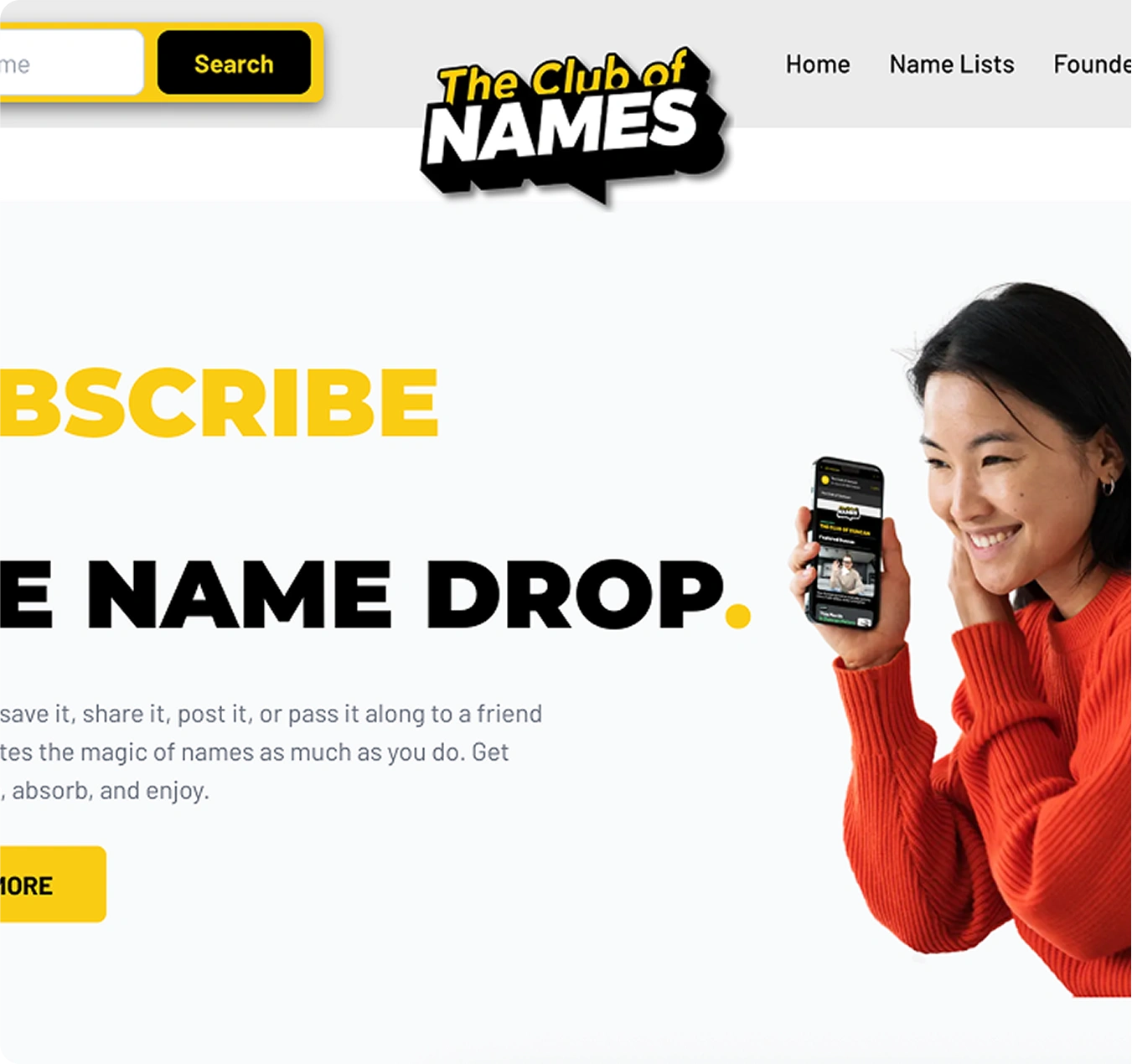
The delivery layer generates formatted client presentations from the platform’s data — pulling the highest-scored candidates, their rationale, and supporting linguistic analysis into structured documents without manual assembly. A monthly newsletter subscription feature enables The Club of Names to maintain relationships with clients between active engagements.
The platform is built on Next.js with AWS infrastructure, optimized for the search and filtering workloads that naming discovery requires.
The Outcome
- Multiple concurrent naming projects managed from a single platform — fragmented tool usage eliminated
- Linguistic datasets searchable by etymology, phonetics, cultural context, and trademark status simultaneously
- Expert collaboration workflows in production — annotation, scoring, and review running through defined pipeline stages
- Client delivery time reduced by eliminating the manual presentation assembly step
Team
Engagement: 5 months, 3 engineers (1 full-stack, 1 backend/data, 1 frontend).
Stack: Next.js, AWS